Croeso i Bawb: a welcome step towards a Wales that is accessible to everyone
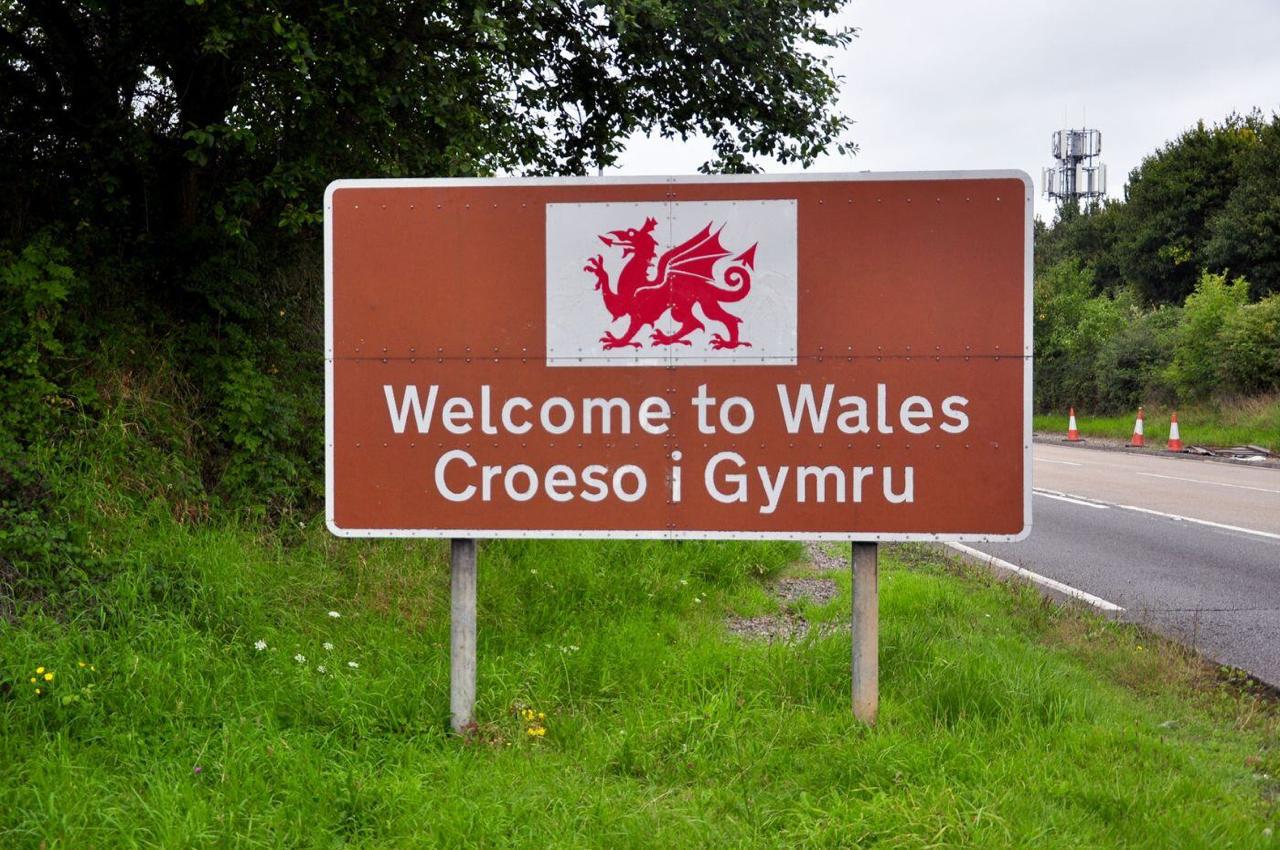
The Welsh Government has announced a new £2 million grant scheme to help make tourism and hospitality businesses across Wales more accessible and inclusive.
The Croeso i Bawb grant scheme is designed to support practical improvements that remove barriers for disabled visitors, neurodivergent visitors, people with hidden conditions and those travelling with them. Projects could include accessible toilets and bedrooms, improved paths, hearing loops, inclusive play areas, sensory spaces, rest areas, accessible outdoor seating and clearer visitor routes.
At Legacy in the Community, we welcome this announcement.
Accessibility should never be seen as an optional extra. It is central to whether people feel able to take part, visit new places, enjoy time with family and friends, and feel genuinely welcomed in their communities.
For disabled people and people with long-term health conditions, the difference between an accessible and inaccessible space can be the difference between confidence and anxiety, participation and exclusion, independence and reliance on others.
That is why this funding matters.
Tourism and hospitality are not only about holidays and days out. They are part of community life. They include cafes, hotels, attractions, parks, leisure spaces, restaurants, visitor centres and venues where people come together. When these spaces are accessible, more people are able to enjoy Wales with confidence.
The name Croeso i Bawb means “Welcome to Everyone”, and that principle matters.
A welcome is not just a sign on a door. A welcome is whether someone can get into the building. It is whether they can move around safely. It is whether they can use the toilet facilities. It is whether information is clear before they arrive. It is whether staff understand different needs. It is whether a neurodivergent visitor can access a calmer space. It is whether someone with a hidden condition feels considered, not judged.
Inclusion is often built through practical decisions.
A ramp. A quieter area. Better signage. Accessible seating. A hearing loop. A clear route from the car park. A changing facility. A website that gives accurate access information before someone makes the journey.
These changes may seem simple, but they can have a significant impact on whether disabled people and their families feel able to visit at all.
We are also pleased to see that the scheme has been developed with input from PIWS, a Wales-based not-for-profit organisation with lived experience expertise. This is important. The most effective accessibility improvements come from listening to disabled people and understanding the barriers they actually face, not making assumptions on their behalf.
That point should sit at the heart of this work.
Accessibility is not only a legal responsibility. It is a social responsibility. It is also good business. When businesses remove barriers, they do not only support disabled visitors. They also support older people, families with young children, people recovering from illness or injury, carers, staff members and local communities.
However, this announcement should also remind us that accessibility has to go beyond one sector and one funding scheme.
A more accessible Wales cannot be built through tourism alone. It must be reflected in education, employment, transport, community venues, public services, high streets, volunteering opportunities and everyday local life. Too often, disabled people are still expected to adapt to systems and environments that were not designed with them in mind.
That needs to change.
Funding schemes like Croeso i Bawb are welcome because they move the conversation from awareness into action. They recognise that accessibility requires investment, planning and practical change.
But lasting inclusion will depend on what happens next.
Businesses must be encouraged to apply, but also to listen carefully to disabled visitors and staff. Improvements should be based on real needs, not assumptions. Accessibility should be considered across the whole visitor journey, from finding information online to arriving, moving around, enjoying the experience and returning home.
At Legacy in the Community, we believe this same principle applies across all areas of community life.
If we want disabled people, people with long-term health conditions and young people with Additional Learning Needs to feel part of society, then we have to design opportunities that are genuinely open to them. That means listening, removing barriers and investing in the support that helps people participate fully.
Croeso i Bawb is a welcome announcement.
Now the challenge is to make sure the principle behind it becomes part of how Wales thinks, plans and invests more widely.
Because “welcome to everyone” should not be a slogan.
It should be something people can feel, access and experience in every part of Welsh life.
Sources and further reading
Welsh Government: £2 million scheme to help make tourism and hospitality more accessible – https://www.gov.wales/2-million-scheme-help-make-tourism-and-hospitality-more-accessible
Visit Wales: Croeso i Bawb accessibility scheme
Visit Wales: Funding information and advice available for tourism businesses
PIWS: Inclusive design and lived experience expertise