Wales’ June Budget: welcome investment, but where is the long-term commitment to ALN?
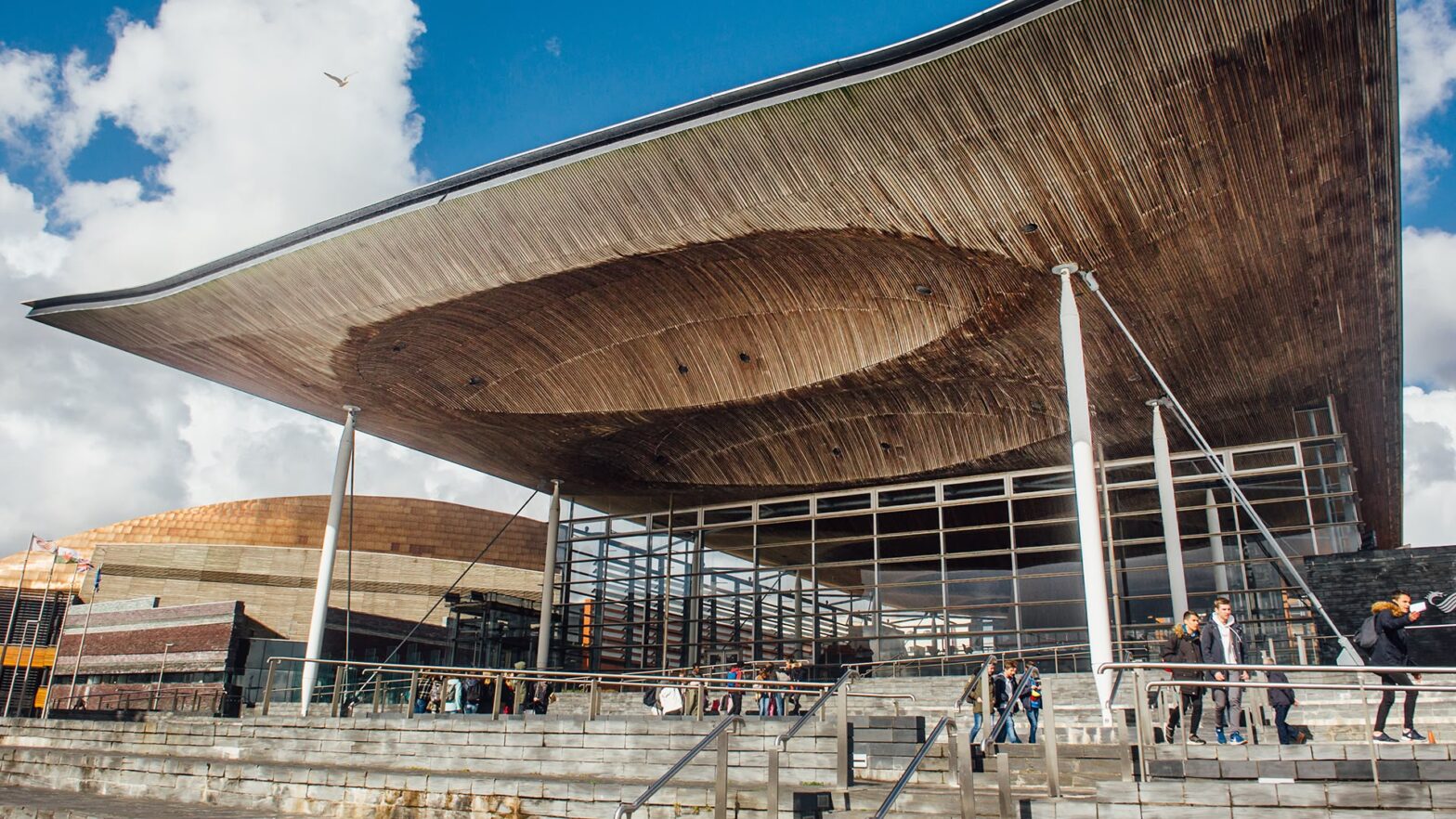
The Welsh Government’s First Supplementary Budget for 2026 to 2027 includes a significant package of investment across public services in Wales. There are areas within this budget that should be welcomed. Additional funding for the NHS, childcare, free school meals, social housing, school buildings, community facilities and young people’s transport will all matter to families and communities across Wales.
At Legacy in the Community, we see the importance of these services every day. Many of the people we support rely on the NHS, public transport, community venues, schools, colleges and wider support networks. When these services are under pressure, the impact is felt most sharply by people who already face the greatest barriers.
However, we also have to be honest about what this budget does not appear to prioritise.
For organisations working directly with disabled people, young people with Additional Learning Needs, families, schools and support agencies, the lack of visible new emphasis on ALN provision in this latest budget announcement is concerning. Wales cannot afford to treat ALN support as a secondary issue or something to be picked up only when statutory services are already stretched.
It is important to recognise that ALN is not absent from Welsh Government spending plans. The wider 2026 to 2027 budget includes funding to support schools, colleges, local authorities and the ongoing delivery of ALN reform. That investment is welcome.
But the concern for organisations like ours is one of scale, visibility and urgency. When the latest supplementary budget was announced, ALN was not among the headline priorities. For families, schools and young people trying to navigate the transition into adulthood, employment and independence, that matters. Recognition is important, but recognition alone will not meet rising demand.
We fully recognise the pressure on NHS Wales. Waiting lists, workforce challenges and access to care are serious issues. But we also need to ask a difficult question: how long can public funding continue to flow into crisis response without equal ambition for prevention, early intervention and community-based support?
Investment in the NHS is vital, but health does not begin at the hospital door.
For many young people with ALN, health, wellbeing, confidence, independence and future opportunity are shaped much earlier. They are shaped by whether they receive the right support in school. They are shaped by whether families can access guidance. They are shaped by whether young people are given realistic pathways into further learning, volunteering, work experience and employment. They are shaped by whether community organisations have the capacity to step in before people reach crisis point.
This is where we believe the current conversation needs to shift.
If Wales is serious about reducing long-term pressure on public services, then ALN support, disability inclusion and employability provision must be treated as part of the solution. The cost of not investing early is not only financial. It is seen in lost confidence, isolation, reduced independence, family pressure, poorer mental health and young people leaving education without a clear next step.
Across Powys, West Wales and the communities we work in, we are seeing a clear gap. Schools, families and support agencies want more practical provision for young people with ALN and those who need additional support to move towards adulthood, employment and independence. The demand is there. The need is there. What is missing is the level of sustained investment required to meet it properly.
This is not about arguing that one public service matters more than another. It is about recognising that budgets reflect choices, and those choices shape the future.
A balanced public service system cannot be built by funding crisis response alone. Wales needs hospitals that work, but it also needs community support that prevents people from being pushed further away from education, employment, wellbeing and independence in the first place.
At Legacy in the Community, we believe ALN learners and disabled young people deserve more than warm words. They deserve a clear place in Wales’ funding priorities. They deserve practical, consistent and person-centred support. They deserve pathways that build confidence, skills and opportunity.
We welcome investment that supports families and communities, and we recognise the pressures facing government, local authorities and public services. But we urge Welsh Government, funders and decision-makers to look again at the role of ALN, disability inclusion and employability provision in Wales’ long-term future.
Because if we want healthier communities, stronger public services and better outcomes for young people, we must invest earlier, not only when people reach crisis point.